

Speaker
-
 Takefumi Takuma MEPresident | Giken America Corp.
Takefumi Takuma has been with Giken for the last 18 years as General Manager and currently as President of its U.S. subsidiary. Giken is the manufacturer of press-in piling equipment and the construction solution provider with the press-in piling technology. Before joining Giken, he had worked with a major international engineering contractor for 32 years in the U.S. and Japan. He holds a bachelor’s degree from University of Tokyo (1976) and a Master of Engineering degree from University of California (1982), Berkeley both in civil engineering.
Local Time
- Timezone: America/New_York
- Date: Sep 16 2026
- Time: 5:00 PM - 6:00 PM
-
Convention Center First Floor
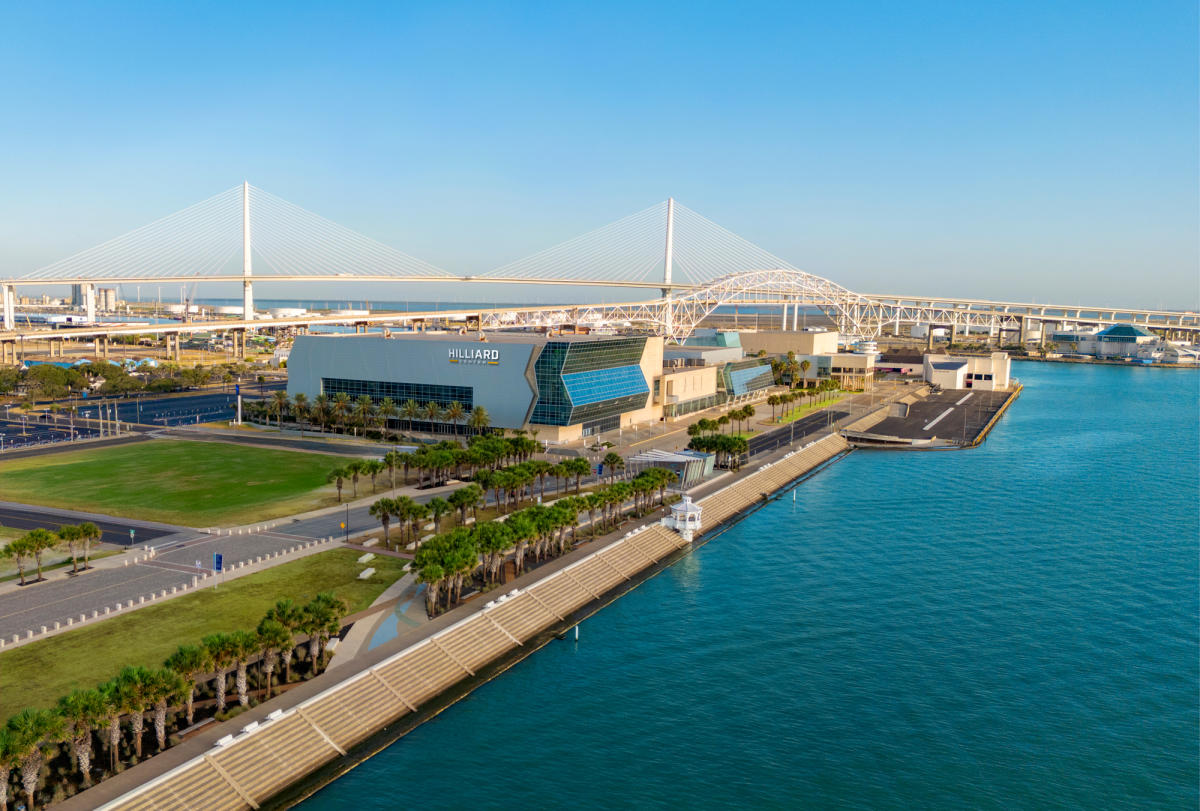
- 1901 N Shoreline Blvd, Corpus Christi, TX 78401
Category
Enhancing Seawall’s Resiliency against Coastal Erosion with Pressed-in Pipe Pile Wall
National Route 134 of Japan is a scenic coastal highway about 30 miles southwest of downtown Tokyo. The highway agency in charge added a turning lane at a couple of intersections to mitigate chronic traffic jams as well as to retrofit the functionally obsolete earth retaining concrete seawall to enhance resiliency against future coastal erosion. Its highly traveled two lane section is sandwiched by a sandy ocean beach and a railroad on the other side.
Rotary press-in piling was adopted to build a new pipe pile retaining wall directly in the existing seawall/earth retaining structure before demolishing the old structure because the traffic had to be maintained all the time during construction since that particular section of the highway lacked effective detours. With this method pipe piles were rotated and simultaneously pressed into the existing concrete seawall with a cutting shoe welded at the toe of each pile, which cut through the concrete structure and hard soil and allowed the piles to be installed in them. In addition, due to the way it is designed, press-in piling equipment emits low noise and practically no vibration, so it is suited for urban projects such as this one and those close to sensitive structures. With the sea level rising and ever more frequent strong storms, this construction method will benefit many seawall upgrade projects to come in the future with enhanced resiliency.
