

Speaker
-
 Alena Mikhaylova PhDProduct Manager | NWPX Geneva
Dr. Alena Mikhaylova serves as a Product Manager at NWPX Geneva, at Utah-based subsidiary of NWPX Infrastructure with over 10 years of experience in the industry. In her role, she helps customers to prevent corrosion in their sanitary sewers systems. She had served on various technical committees, such as Transportation Research Board, ASTM, Infrastructure Advancement Institute and co-established ASHE Houston section. Dr. Mikhaylova holds a Ph.D. and a Master’s Degree from the University of Texas at Arlington, along with an MBA from the University of Texas at Austin.
Local Time
- Timezone: America/New_York
- Date: Sep 16 2026
- Time: 3:30 PM - 4:30 PM
-
Convention Center First Floor
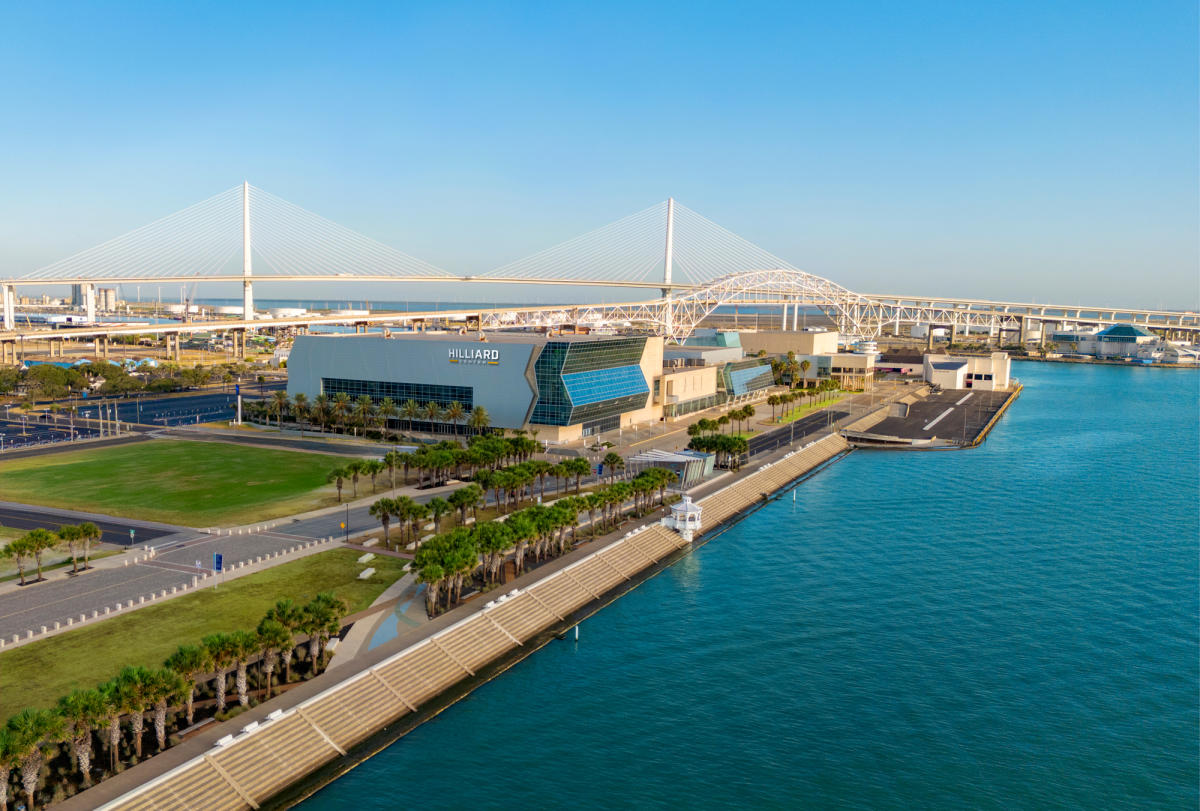
- 1901 N Shoreline Blvd, Corpus Christi, TX 78401
Category
Live Sewer Manhole Rehabilitation under Severe Corrosion Constraints: A Hybrid PVC Approach
Utilities frequently encounter severely corroded manholes in locations where bypass pumping is impractical due to access limitations, traffic constraints, or safety risks. Magna Water District in Salt Lake County, Utah, faced such a condition with a 48-inch diameter concrete manhole experiencing advanced deterioration caused by elevated hydrogen sulfide concentrations resulting from inadequate ventilation and debris-obstructed venting. The manhole’s proximity to a major highway rendered conventional bypass pumping infeasible and cost-prohibitive. This paper presents a permanent rehabilitation approach implemented in a live sewer environment using a hybrid PVC manhole system designed to provide full structural capacity and long-term corrosion resistance. The solution incorporated a fiberglass-reinforced polymer (FRP) base liner, a PVC riser section, and an FRP-lined lid, all custom-fit through three-dimensional scanning of the existing structure to ensure constructability and alignment with active flows. Installation was completed by district maintenance crews in under three days without bypass pumping, service interruption, or excavation. The rehabilitated manhole now provides a fully structural, corrosion-resistant system capable of withstanding aggressive sewer environments while significantly reducing construction time, traffic disruption, and overall project cost. The project demonstrates a practical and repeatable rehabilitation method for large-diameter manholes in high-corrosion, no-bypass conditions and offers utilities an alternative to conventional lining or replacement techniques where access and operational constraints limit traditional approaches.
