

Speakers
-
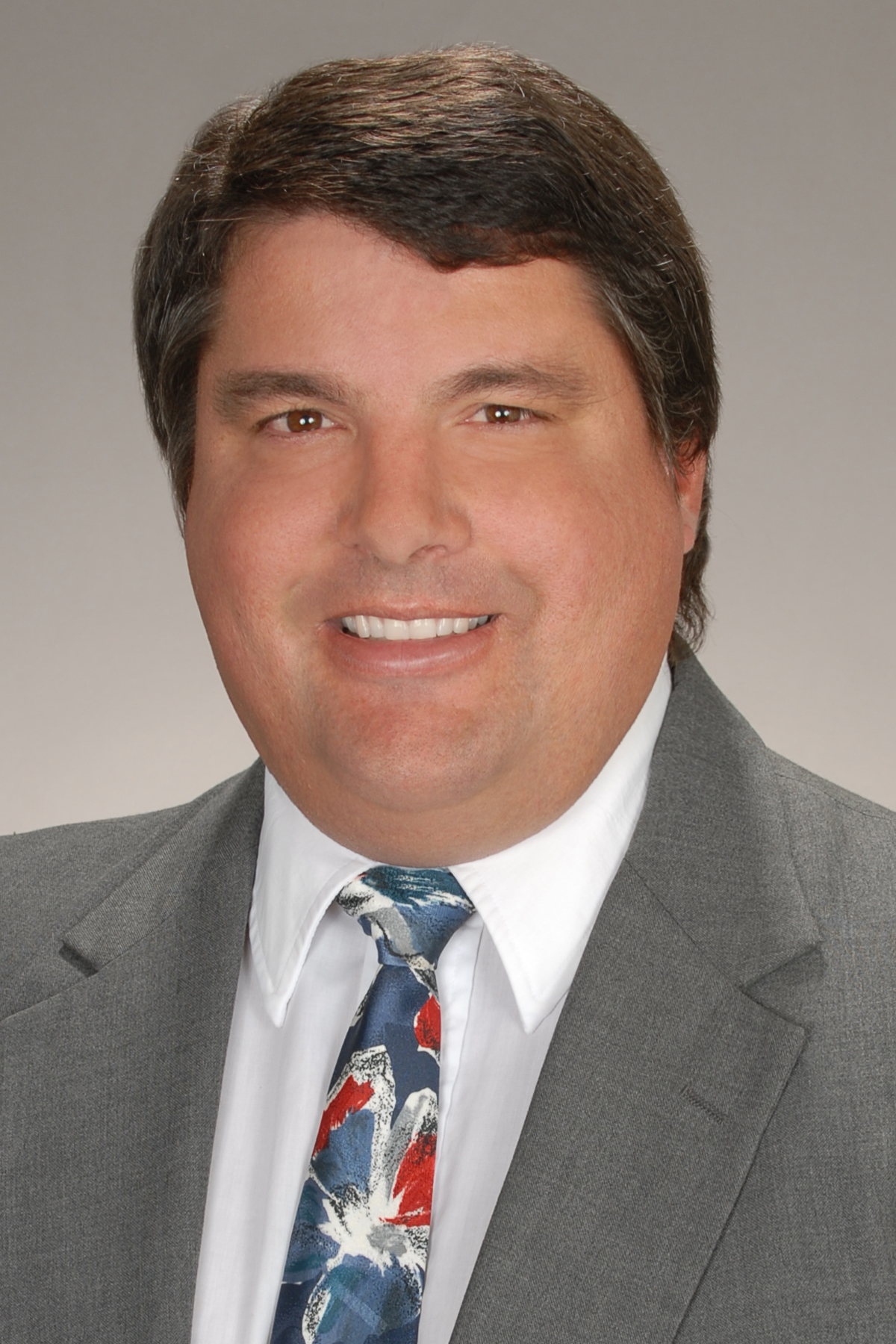 Michael Roland PEVice President | Alliance Geotechnical Group
Mr. Roland has over 36 years’ experience in geotechnical consulting and construction materials engineering in the North Texas area. The majority of the projects that Mr. Roland has worked on have consisted of roadway projects including pavement design, PVR calculations, bridge foundation recommendations, retaining walls, recommendations, etc.
-
 Sam Tran PEGeotechnical Engineer | Alliance Geotechnical Group
Mr. Tran has been involved in the geotechnical engineering field since 2009 and serves as a project engineer for various projects throughout the Dallas-Fort Worth Metroplex. His technical experience includes project management on various projects ranging from major highway transportation projects, municipal projects, private developments, construction monitoring and distress investigations. Mr. Tran is responsible for various quality assurance/quality control and inspection services for various public and private developments. Mr. Tran has worked on and assisted with a handful of distress investigations ranging from differential settlement cracks within commercial buildings and pavement distress along public streets to slope and retaining wall failures along existing embankments. Mr. Tran has completed the training with Olson Engineering to utilize the Cross Hole Logging Equipment.
Mr. Tran holds a Bachelor of Science Degree in Civil Engineering from the University of Texas at Arlington and is actively pursuing his Masters of Science in Civil Engineering at the University of Texas at Arlington. Mr. Tran’s Masters Degree is focused in the field of Geotechnical Engineering. Mr. Tran is a Licensed Professional Engineer.
Local Time
- Timezone: America/New_York
- Date: Sep 18 2026
- Time: 10:15 AM - 11:15 AM
-
Convention Center First Floor
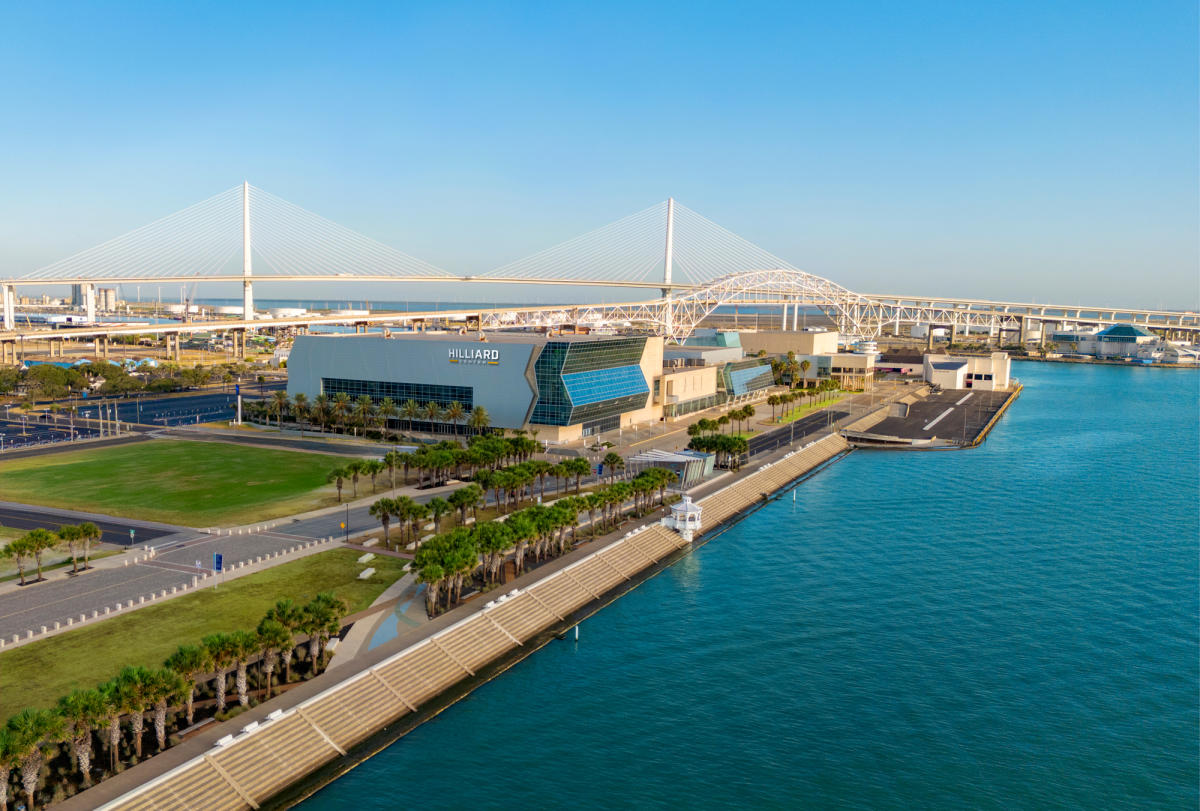
- 1901 N Shoreline Blvd, Corpus Christi, TX 78401
Category
Long-Term Geotechnical Liabilities Caused by Elevated Groundwater Levels After Construction
Geotechnical reports by all engineers always include groundwater conditions existing at the time of the site and investigation. The reports also indicate the probability of groundwater fluctuation at the time of construction. However, most reports don’t identify the risk of serious structural issues that can develop after construction due to sustained elevated groundwater levels over the serviceable life of the structure (which is typically over 50 years).
In areas located within Dallas County and Rockwall County and elsewhere, many sites are underlined by the Eagle Ford Shale Formation and the Taylor Marl Ozan Formation. Deep highly active clay soils and weathered shale strata are present within these areas that are highly expansive and highly corrosive to buried concrete due to high soluble sulfate levels. An elevated groundwater condition over the life of facilities at these unstable sites will eventually cause excessive deep-seated soil swelling below foundations, floor slabs and flat work. Conditions that are often overlooked are related to elevated groundwater levels within soil layers that contain high soluble sulfates. These conditions can cause excessive corrosion of concrete within drilled shafts when the soluble sulfates within the soil are exposed to groundwater. Then after the steel reinforcement within the drilled shafts is exposed to the high plasticity clay due to excessive concrete corrosion, the steel reinforcement will also corrode. When these conditions occur, serious structural issues will obviously become problematic to owners and will cause serious long-term safety issues. This paper address several conditions that can cause elevated groundwater levels.
