

Speakers
-
 Alence Poudel PESenior Engineering Manager | City of Sugarland
Alence Poudel is a municipal engineer on a mission to transform how local governments approach infrastructure management and capital decision-making. As the Senior Engineering Manager leading the City of Sugar Land’s Modeling and Analysis Division (MAD), he directs multidisciplinary teams in deploying data analytics and machine learning to build an efficient, resilient, long-term CIP. A 2021 graduate of Texas A&M University, Alence is passionate about bridging daily engineering practice with applied research to advance data-driven governance. For fellow practitioners interested in real-world infrastructure strategies and collaboration opportunities, he publishes a monthly LinkedIn newsletter titled Data Driven Infrastructure Planning, where he shares practitioner-tested insights for municipal engineers. If interested, please follow:
https://www.linkedin.com/newsletters/data-driven-infrastructure-7360769117802450944/ -
 Samanata SilwalData Scientist | Civitas Engineering Group, Inc.
Samanata Silwal is a Data Scientist at Civitas Engineering Group, Inc., specializing in water/wastewater data analysis and process optimization. She has worked with large datasets from treatment plants and regulatory agencies to develop insights that support utility operations and decision-making. Her work focuses on bridging data analytics with engineering practice. Sam’s also a mom of two beautiful fur babies, Olivia and Balenci.
-
 Varenya Mehta PEProject Manager | Civitas Engineering Group
Varenya is a project manager in the water planning group at Civitas Engineering Group. He is also a PE in the state of Texas and has 10 years of experience leading master planning and hydraulic modeling projects.
Local Time
- Timezone: America/New_York
- Date: Sep 17 2026
- Time: 3:30 PM - 4:30 PM
-
Convention Center First Floor
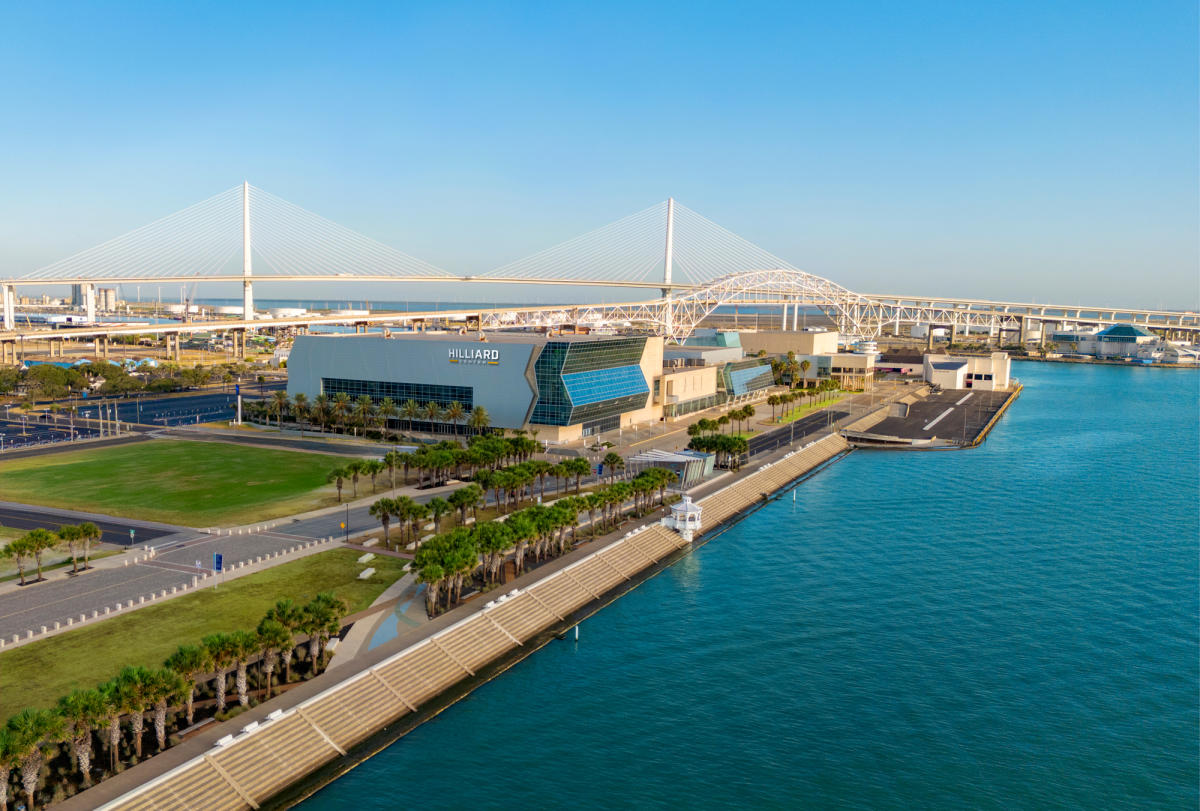
- 1901 N Shoreline Blvd, Corpus Christi, TX 78401
Revitalizing Water Infrastructure Resiliency: Balancing Capital Decision Stability and Operational Prediction Accuracy: A Case Study on the Hydraulic Impact Factor (HIF) Framework in Sugar Land, Texas
Municipal utilities worldwide share a critical responsibility: managing aging infrastructure and strengthening the stewardship of the built environment under tight budget constraints. Traditionally, capital planning relies on static parameters like pipe age, while operations crews use hydraulic modeling to analyze system performance. Operating these two domains in isolation creates an industry-wide conflict between reactive, short-term repairs and long-term capital investments. This presentation moves beyond academic theory to deliver an actionable, practitioner-tested framework based on real-world implementation in Sugar Land, Texas. Attendees will discover the Hydraulic Informed Asset Management framework and the Hydraulic Impact Factor (HIF), a transparent tool that integrates pressure, velocity, headloss, and water age into existing asset management systems to reveal hidden operational risks. In its initial application, this framework fundamentally reshuffled 78% of the city’s top 50 prioritized water mains, advancing hydraulically stressed assets into earlier capital plan years without destabilizing the broader portfolio. Going a step further to bridge the capital-versus-operations divide, this session addresses a fundamental engineering dilemma: does changing the capital queue actually help predict physical infrastructure failures? We pit long-term capital decision stability against short-term operational machine learning prediction frameworks to evaluate the true trade-offs of data readiness. Participants will walk away with a definitive blueprint for utilizing existing calibrated hydraulic models to safeguard decision quality, optimize limited public resources, and build truly resilient municipal communities.
