

Speaker
-
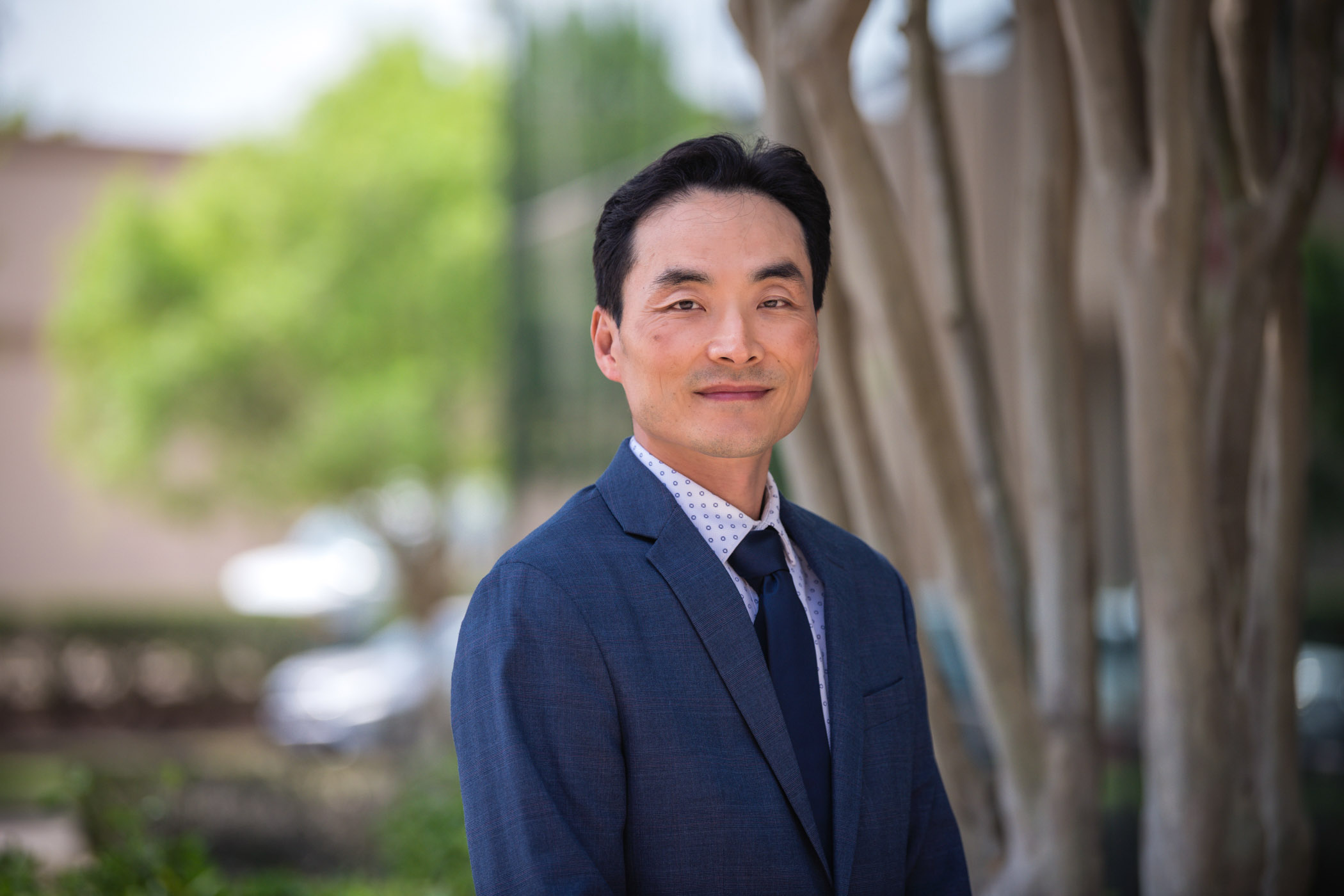 Jason JungSenior Geotechnical Engineer | CDM Smith
Mr. Jung is a senior geotechnical engineer at CDM Smith, Inc. in Houston, Texas. He is a registered professional engineer in the State of Texas and State of New Mexico. Mr. Jung has over 13 years of geotechnical design and construction experience working on the projects for industrial facilities, levees and floodwalls, transportation, pipelines and drainage facilities, water and wastewater treatment facilities in the United States and internationally. Mr. Jung’s capabilities include technical and project management functions for major geotechnical site investigation and characterization efforts in support of design of shallow foundations, deep foundations, levees, retaining structures, and trenchless crossings.
Mr. Jung has published several papers for geotechnical conference proceedings and journals. Mr. Jung has also served as a reviewer for peer-reviewed journals such as Geotechnical Testing Journal by ASTM International, and Soils and Foundations by Japanese Geotechnical Society. Mr. Jung has a bachelor’s degree in civil engineering from Pusan National University in South Korea and master’s and doctoral degrees in civil engineering with a geotechnical focus from Purdue University.
Local Time
- Timezone: America/New_York
- Date: Sep 17 2026
- Time: 3:30 PM - 4:30 PM
Big Data to Guide Geotechnical Engineering Design in Challenging Environments
Geotechnical engineering practice seeks to mitigate uncertainty and reduce risks associated with subsurface conditions, particularly in geologically sensitive environments such as karst terrain. Recent advances in data analytics have enabled broader use of large geospatial and geotechnical datasets (“big data”) to support risk informed design. Big data may include historical aerial imagery, topographic and soil survey maps, and published geological and hydrogeological reports. When systematically integrated, such information can be used to optimize subsurface exploration programs, guide geophysical surveys, and refine geotechnical investigation strategies. For sites containing existing infrastructure, visual forensic assessments of facility performance provide an additional dataset that can be correlated with interpreted subsurface conditions to improve predictions of new facility behavior. Furthermore, documenting drill rig response during exploration offers valuable real time insight into stratigraphy and material variability, contributing to improved characterization of geotechnical risk.
Two case studies demonstrate the practical benefits of this integrated approach. The results illustrate how historical data, geological and hydrogeological characterization, measured subsurface properties, and observed performance of adjacent structures can be combined to support efficient ground improvement strategies and informed foundation design recommendations. Overall, the incorporation of big data directly into geotechnical engineering workflows provides a robust framework for reducing geotechnical risk in challenging geological settings.
