

Speaker
-
 Rebecca CantrellGraduate Research Assistant | University of Texas at Austin
An extensive system of stormwater infrastructure manages and protects urban communities from the risks associated with flooding. These systems are primarily governed by local stormwater regulations, which continue to evolve in response to historical performance and extreme weather events. However, a substantial amount of existing stormwater infrastructure predates modern stormwater regulations, resulting in uneven levels of flood protection across urban watersheds. As newer developments are constructed to higher standards, older neighborhoods face disproportionately exacerbated environmental, economic, and social impacts from flooding, in part due to legally non-complying infrastructure (structures that were built prior to but that are permitted to still operate despite not meeting modern regulations). Ongoing redevelopment of properties in these legacy neighborhoods further compound negative flooding impacts. To address this challenge, I am developing a multi-objective decision-support tool that assesses how regulatory changes and legally non-complying infrastructure influence urban flooding to identify effective infrastructure upgrades to be made. This framework (i) iteratively updates the infrastructure components in a hydrodynamic model based on the historical evolution of stormwater regulations; (ii) identifies optimal retrofit strategies to reduce flooding impacts; and (iii) evaluates the associated environmental, economic, and social tradeoffs. This framework is built around the regulatory evolution of the Austin, Texas Drainage Criteria Manual and applied to a local Austin neighborhood characterized by legally non-complying infrastructure and frequent flooding. Locally, this work can support future flood mitigation projects in the study area and inform regulatory priorities for reducing flood impacts. More broadly, this research aims to develop a practical and adaptable decision-support tool to guide future stormwater regulations and infrastructure investments in urban communities.
Local Time
- Timezone: America/New_York
- Date: Sep 17 2026
- Time: 11:30 AM - 12:30 PM
-
Convention Center First Floor
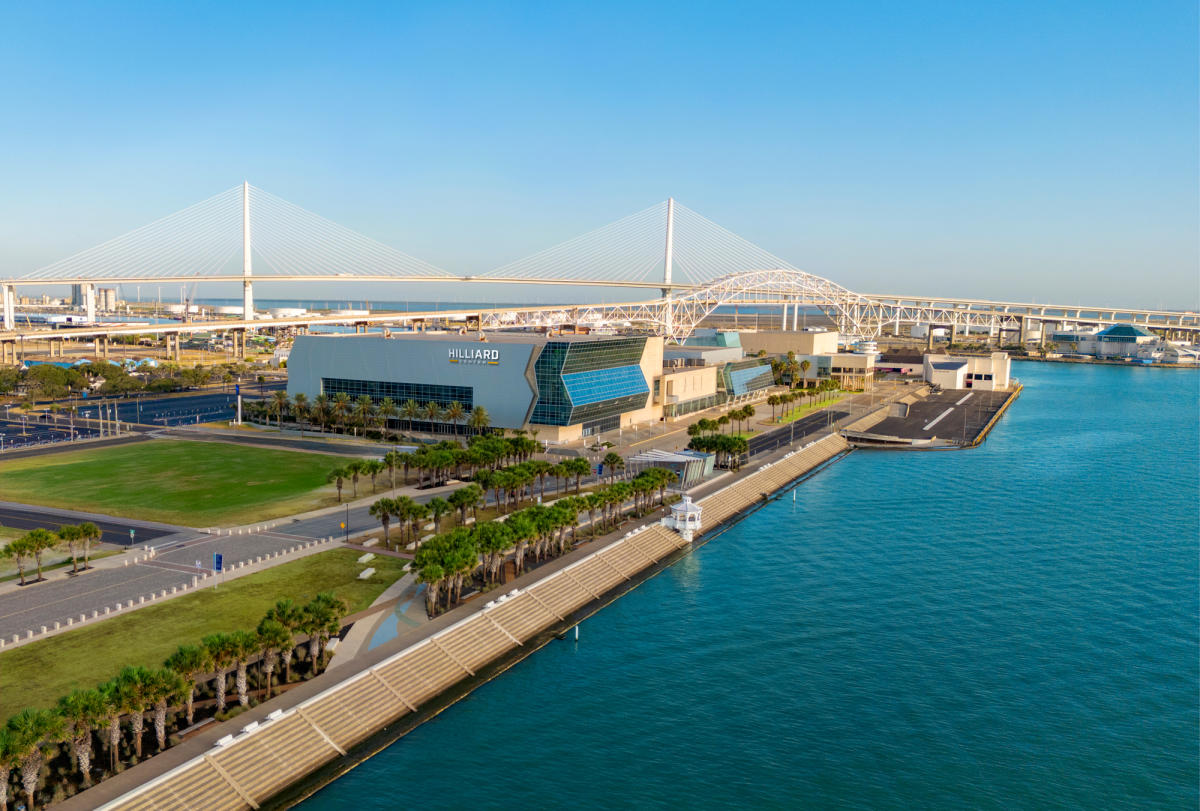
- 1901 N Shoreline Blvd, Corpus Christi, TX 78401
Category
Legacy Stormwater Infrastructure Meets Modern Reality: A Multi-Objective Decision Framework for Prioritizing Stormwater Infrastructure Upgrades
ASCE Texas J Walter Porter Memorial Fellowship 2026 recipient
An extensive system of stormwater infrastructure manages and protects urban communities from the risks associated with flooding. These systems are primarily governed by local stormwater regulations, which continue to evolve in response to historical performance and extreme weather events. However, a substantial amount of existing stormwater infrastructure predates modern stormwater regulations, resulting in uneven levels of flood protection across urban watersheds. As newer developments are constructed to higher standards, older neighborhoods face disproportionately exacerbated environmental, economic, and social impacts from flooding, in part due to legally non-complying infrastructure (structures that were built prior to but that are permitted to still operate despite not meeting modern regulations). Ongoing redevelopment of properties in these legacy neighborhoods further compound negative flooding impacts. To address this challenge, I am developing a multi-objective decision-support tool that assesses how regulatory changes and legally non-complying infrastructure influence urban flooding to identify effective infrastructure upgrades to be made. This framework (i) iteratively updates the infrastructure components in a hydrodynamic model based on the historical evolution of stormwater regulations; (ii) identifies optimal retrofit strategies to reduce flooding impacts; and (iii) evaluates the associated environmental, economic, and social tradeoffs. This framework is built around the regulatory evolution of the Austin, Texas Drainage Criteria Manual and applied to a local Austin neighborhood characterized by legally non-complying infrastructure and frequent flooding. Locally, this work can support future flood mitigation projects in the study area and inform regulatory priorities for reducing flood impacts. More broadly, this research aims to develop a practical and adaptable decision-support tool to guide future stormwater regulations and infrastructure investments in urban communities.
