

Speaker
-
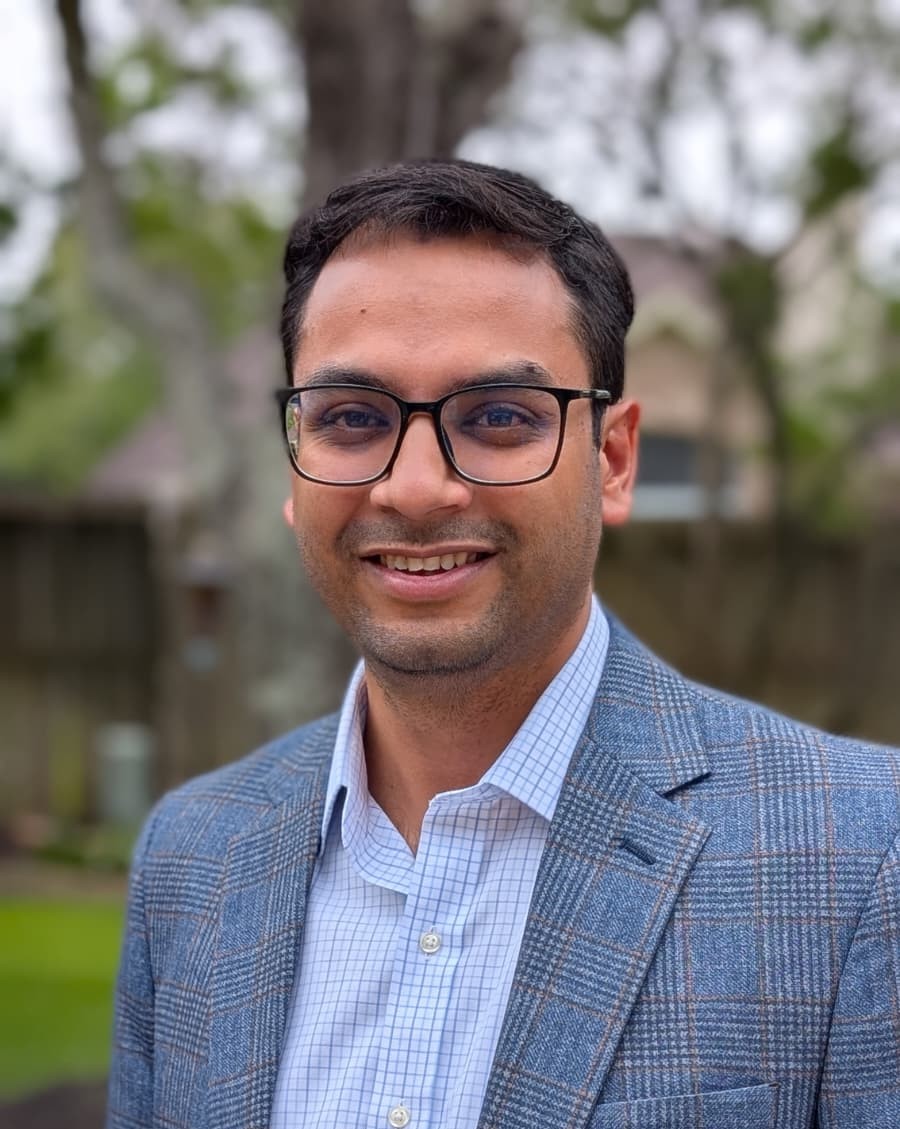 Amritansh Parth PEPrinciple Consultant | Spire Engineering Services, LLC
Amritansh Parth is a Structural Engineer with specialized experience in the design and analysis of fixed and floating offshore platforms. He has led and supported engineering projects across diverse geographies, including the Gulf of America, Offshore Trinidad, Malaysia, West Africa, and India.
Amritansh brings deep technical expertise in advanced structural assessments, non-linear analysis, life extension studies, and decommissioning support for offshore assets. His work has significantly contributed to enhancing the safety, reliability, and operational efficiency of critical offshore infrastructure, while ensuring strict adherence to regulatory and safety standards.
He currently serves as Principal Consultant at Spire Engineering Services, LLC, based in Houston, Texas. Amritansh holds a bachelor’s degree in civil engineering from Indian Institute of Technology (IIT) Roorkee, and a Master of Science in Civil Engineering from Texas A&M University, College Station.
Local Time
- Timezone: America/New_York
- Date: Sep 17 2026
- Time: 11:30 AM - 12:30 PM
-
Convention Center First Floor
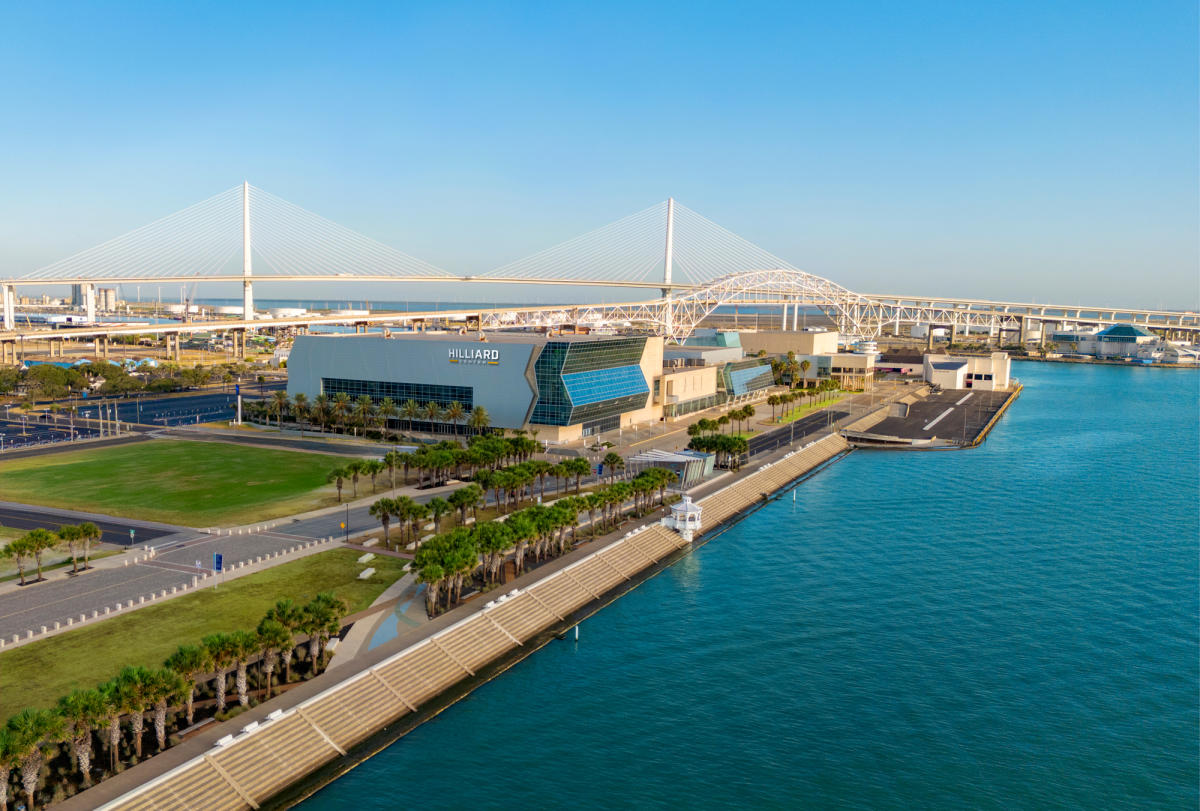
- 1901 N Shoreline Blvd, Corpus Christi, TX 78401
Category
Structural Rehabilitation Strategies for Offshore Oil & Gas Platforms
Structural rehabilitation is a critical facet of offshore structural engineering, aimed at ensuring the continued resilience and integrity of offshore installations exposed to harsh marine environments. These installations are susceptible to degradation over time due to factors such as corrosion, fatigue, structural damage due to accidental loading, and extreme environmental loading during hurricane events. Timely and effective interventions are essential to prevent structural failures, extend asset life, and maintain production uptime. Given the complexities and high costs associated with offshore operations, these rehabilitation strategies are typically highly engineered. The goal is to achieve safe, efficient, and cost-effective repairs while reducing vessel time, diver or ROV involvement, and disruption to ongoing production.
Techniques such as dry and wet welding, use of structural clamps (mechanical/grouted/elastomer lined), grout infill, use of composite materials, and weld improvement have proven effective in restoring or improving structural capacity under challenging conditions. The choice of these repair methods depends on various factors such as the type of damage, water depth, environmental conditions, and accessibility.
This presentation shares real-world case studies demonstrating the application and performance of various rehabilitation techniques on aging or damaged offshore platforms. Participants will gain practical knowledge on offshore rehabilitation methods and their engineering design principles, criteria for selecting appropriate repair methods, insights into evaluating their effectiveness and limitations across different damage scenarios, and applying offshore rehabilitation principles to enhance the safety, resilience, and longevity of critical structural assets.
